
Understanding Ceramic Window Tint in Ocala, FL
Not all window tint is built the same way. Ceramic window tint has become the preferred option for drivers who want the strongest heat rejection and clarity available, and understanding how it works can help you decide if it is the right fit for your vehicle in Ocala, FL.

What Makes Ceramic Film Different
Traditional dyed window film relies on a layer of dye to darken glass and block some light, but it offers limited heat rejection and can fade or shift in color over time. Metalized film improves on heat rejection by using tiny metal particles, though it can interfere with radio, GPS, and cellular signals.
Ceramic window tint takes a different approach, using nano ceramic particles that are non-conductive and non-metallic. This allows ceramic film to deliver strong infrared heat rejection and UV protection without any of the signal interference that comes with metalized options.
Why Ceramic Film Performs Better in the Florida Heat
Built to Last
Ocala summers put any window film to the test, and ceramic tint consistently performs better in long-term heat and UV exposure. Because ceramic particles are stable and do not break down the way dye does, the film resists fading and color change for the life of the film.
Stronger Heat Rejection
Ceramic film blocks a significant share of infrared heat, which is the main contributor to a hot cabin, while standard films allow more of that heat to pass through the glass.
Consistent Year-Round
Because ceramic particles hold up under constant sun exposure, performance stays steady through every Ocala summer instead of tapering off as the filmages.
Visibility, Glare, and Everyday Driving
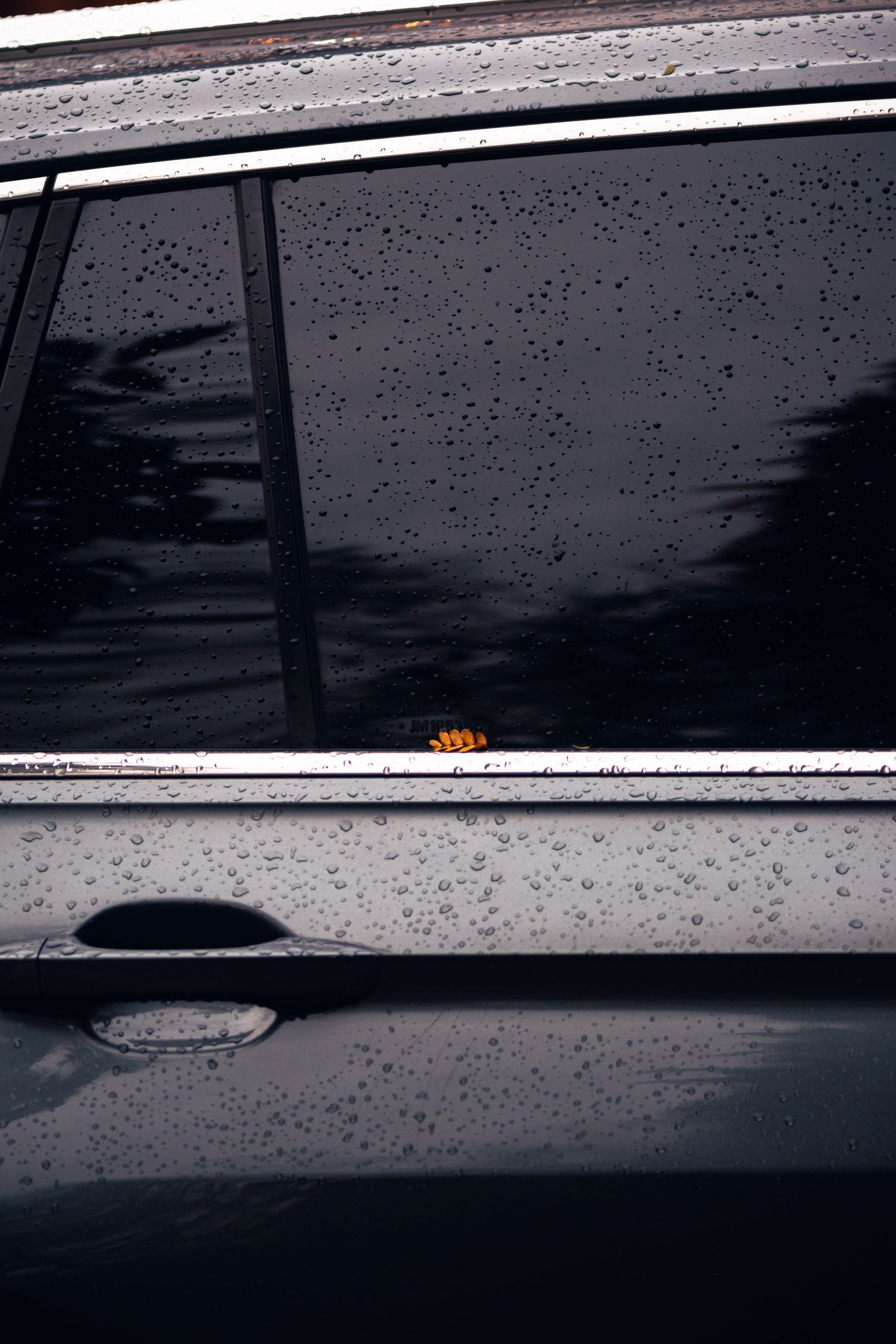
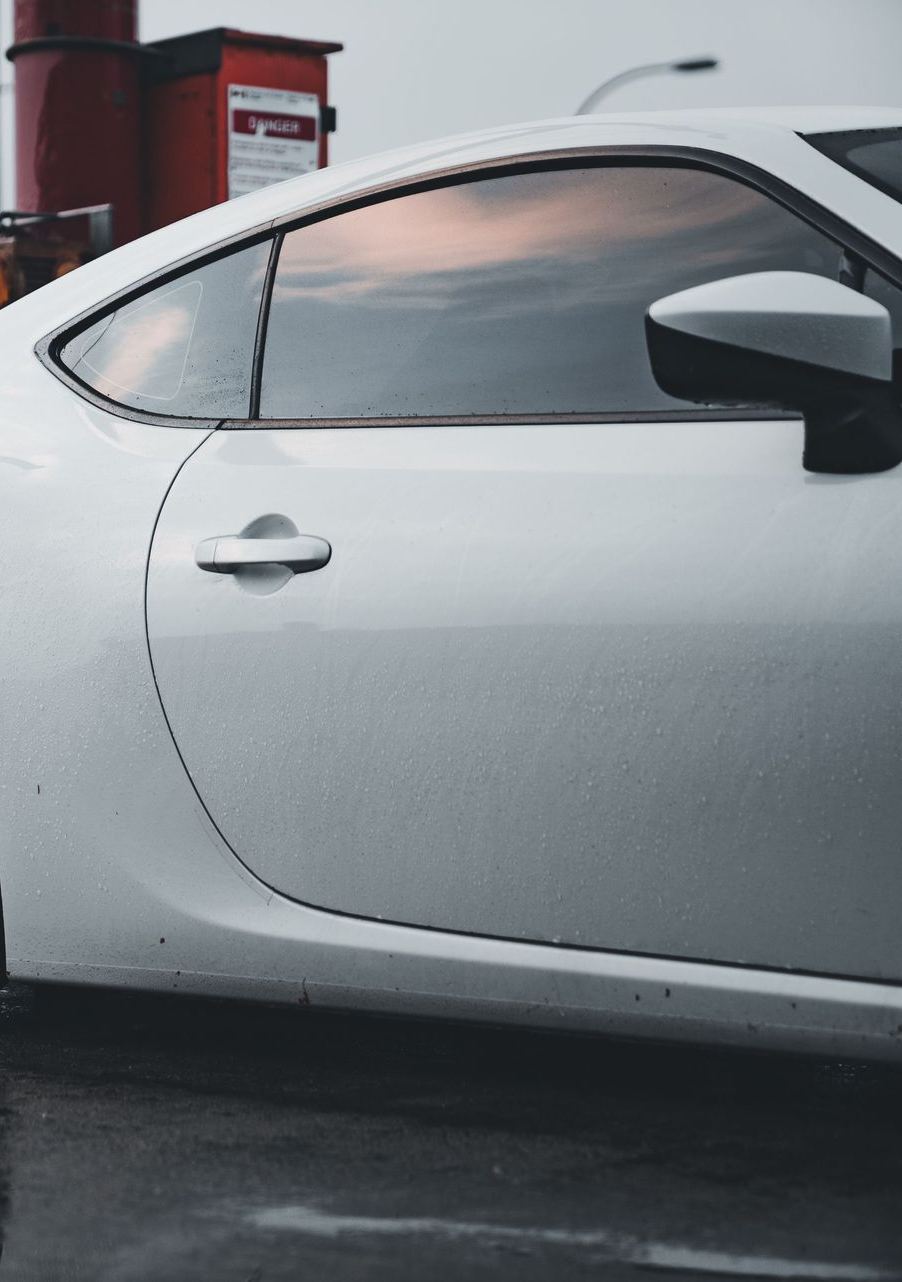
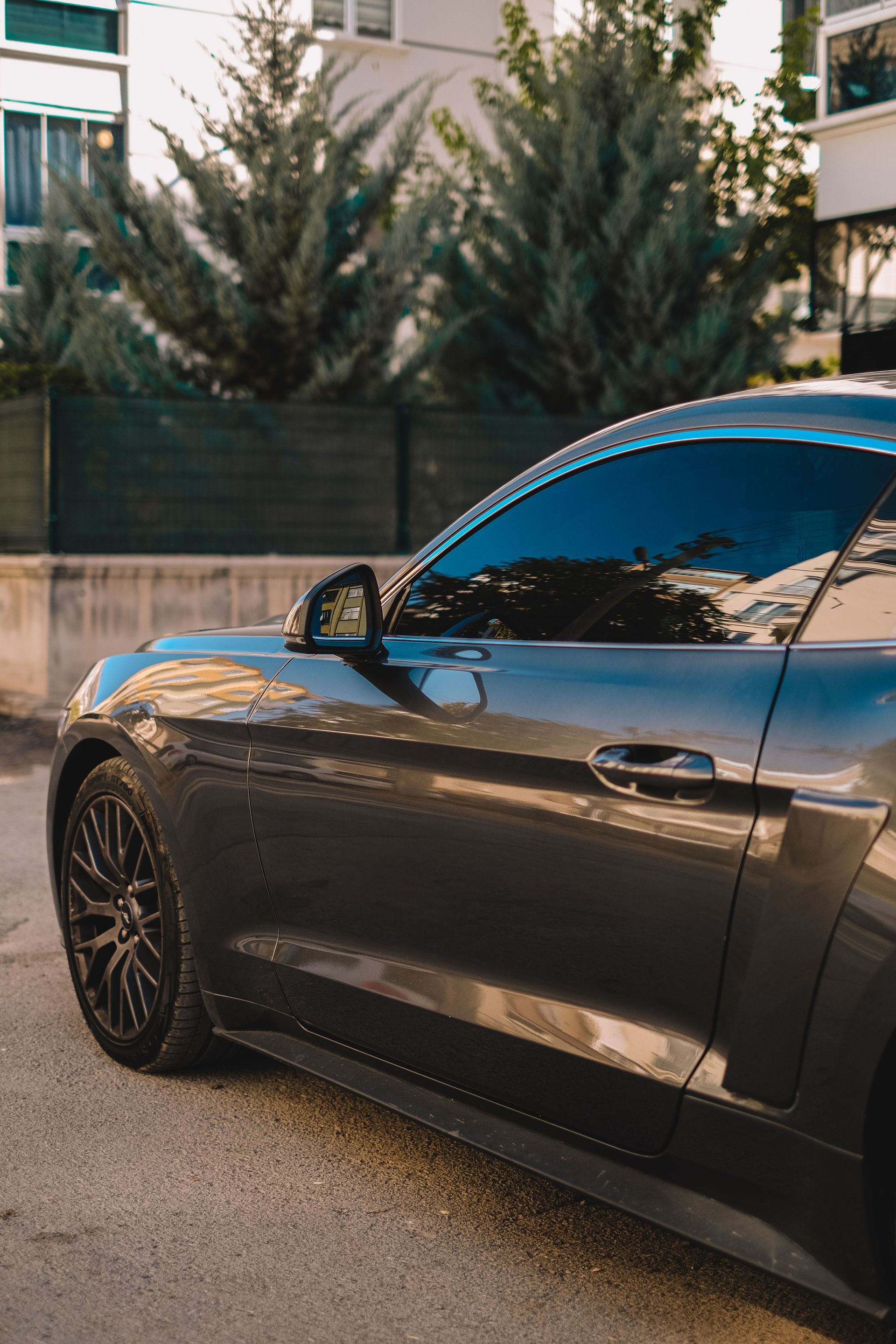
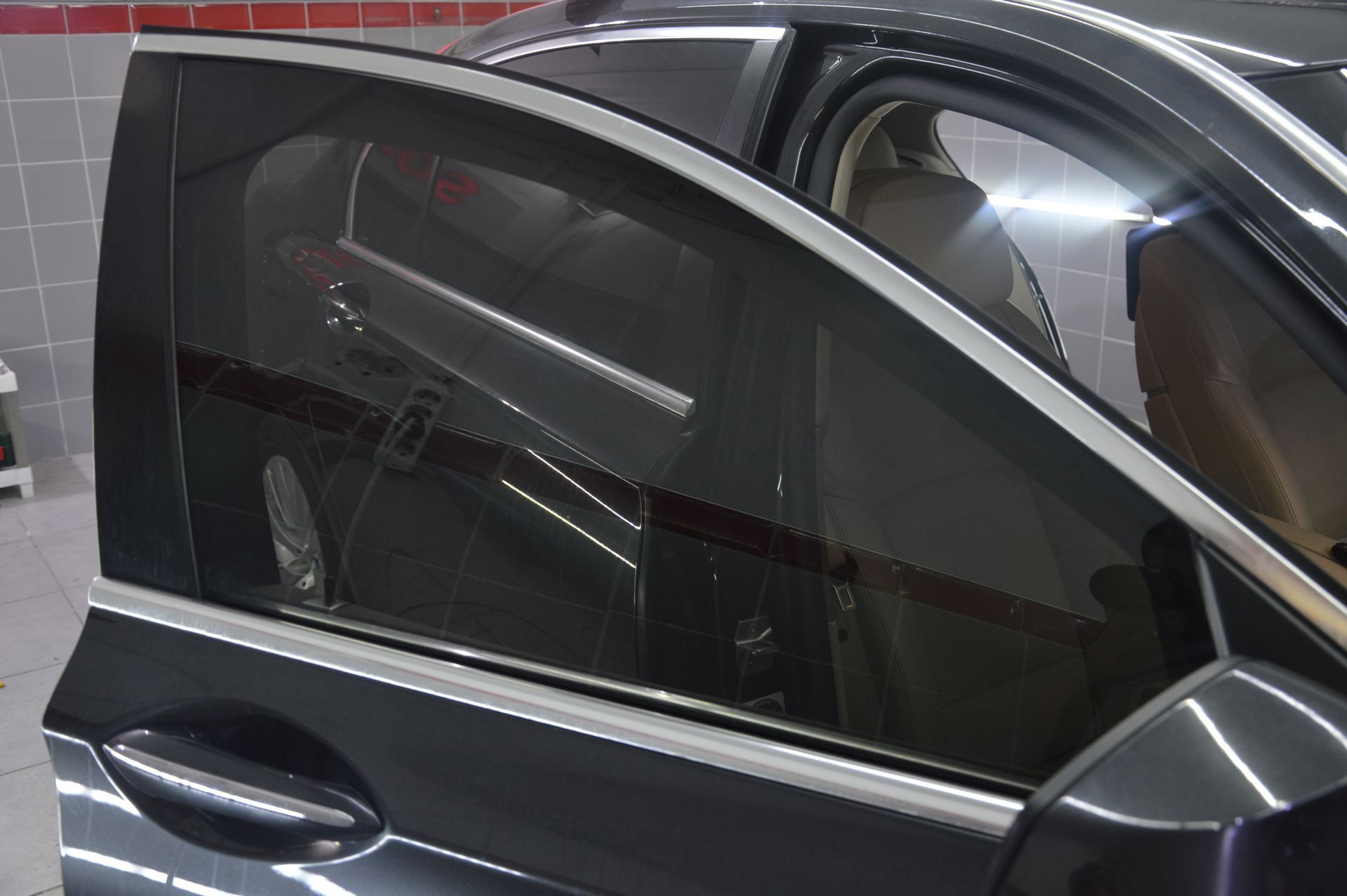
Ceramic window tint is known for maintaining excellent optical clarity at almost any percentage. Drivers often notice reduced glare during daytime driving without the cabin feeling darker than expected. This combination of comfort and visibility is part of why ceramic tint has become the standard choice for drivers who spend significant time behind the wheel in bright, sunny conditions.
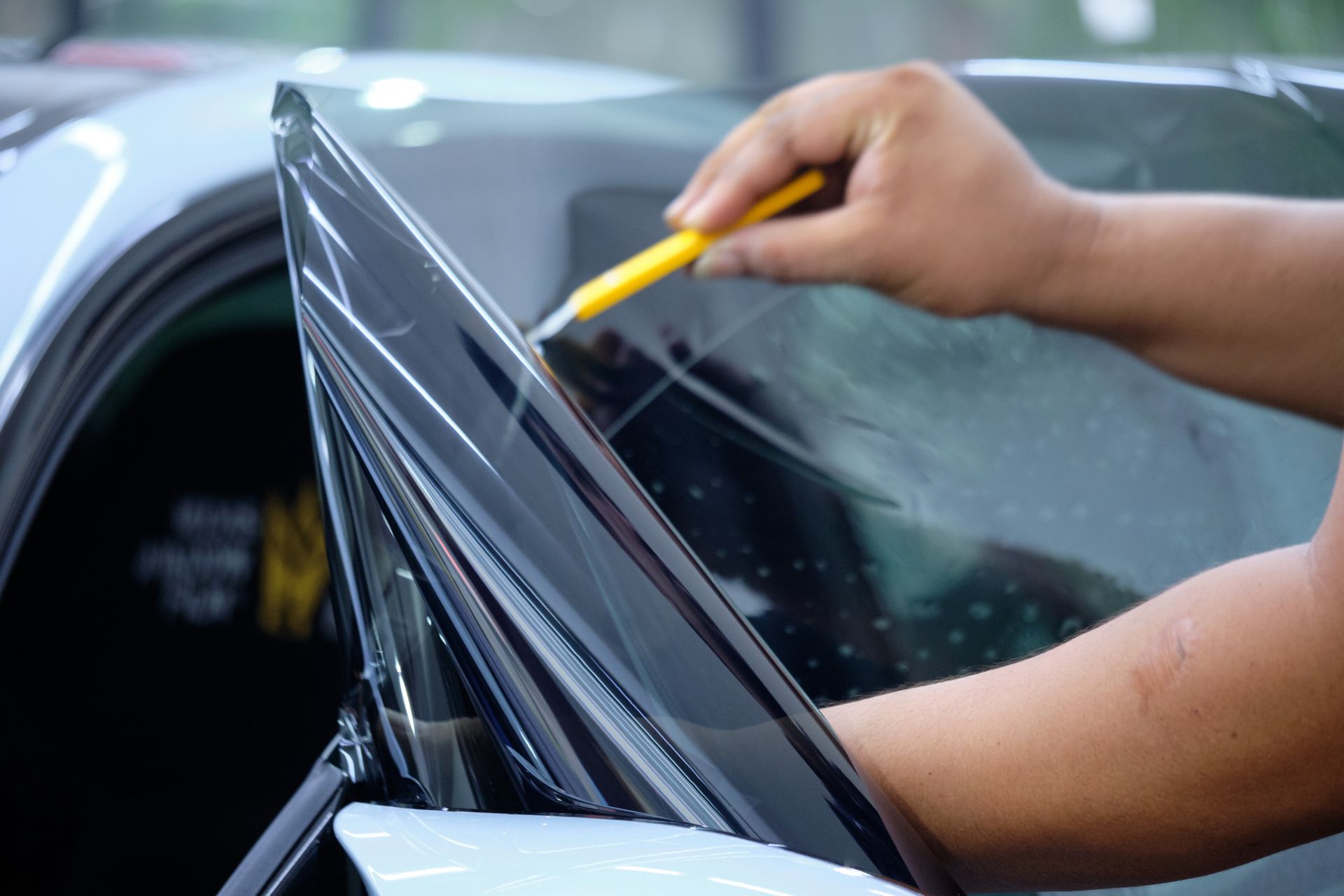
Tint Legacy installs ceramic window tint as part of our window tint packages, including our XPEL Prime XR and XPEL Prime XR Plus film lines. If you are deciding between ceramic and other film types, our team can walk you through the differences in person

Maintaining Ceramic Window Tint After Installation
Allow Time to Cure:
Give your new film a few days to cure before rolling your windows down, since small water bubbles or a slight haze are a normal part of the curing process.
Use the Right Cleaner:
Clean cured film with an ammonia-free glasscleaner and a soft microfiber cloth to avoid scratching the surface.
Skip Harsh Products:
Avoid abrasive tools or harsh chemicals that could affect the finish over time.
Stay Consistent:
Stick to a regular cleaning routine to help your film look sharp and perform well for years.
Watch Your Tools:
Skip aftermarket window cleaning gadgets with rough or abrasive edges, which can leave fine scratches on the film over time.
Who Benefits Most From Ceramic Window Tint
Daily Commuters
Drivers who spendsignificant time behind the wheel in Ocala traffic appreciate the consistent heat rejection and reduced glare that ceramic film provides on long drives.
Tech-Conscious Drivers
Anyone who relies on a phone mount, GPS, or toll transponder benefits from a film that will not interfere with electronic signals.
Long-Term Vehicle Owners
Drivers who plan to keep their vehicle for years value a film that resists fading and holds its color and performance overtime.
Book Your Ceramic Window Tint Appointment in Ocala
Ceramic Window Tint FAQs
Is ceramic window tint worth the extra cost?
For drivers who want the strongest heat rejection, best long-term color stability, and zero signal interference, ceramic film is generally considered the strongest option available. Our team can help you weigh the cost against your priorities for daily comfort.
Does ceramic tint fade over time?
Ceramic film is built to resist fading and color shift far better than dyed film, since the ceramic particles do not break down the way dye does under UV exposure.
Can ceramic window tint be combined with a windshield strip or other coverage?
Ceramic film can be applied to any coverage area we offer, including front windows, rear and side glass, and windshield strips, depending on your goals and local regulations.
How is ceramic film different from carbon film?
Carbon film offers a step up from dyed film in heat rejection and color stability, but ceramic film generally outperforms carbon in both infrared rejection and clarity, making it the top-tier choice for most drivers.
Does ceramic tint require special cleaning products?
We recommend an ammonia-free glass cleaner and a soft microfiber cloth for any tinted window, ceramic included, to keep the film looking clear without risking damage to the surface.
